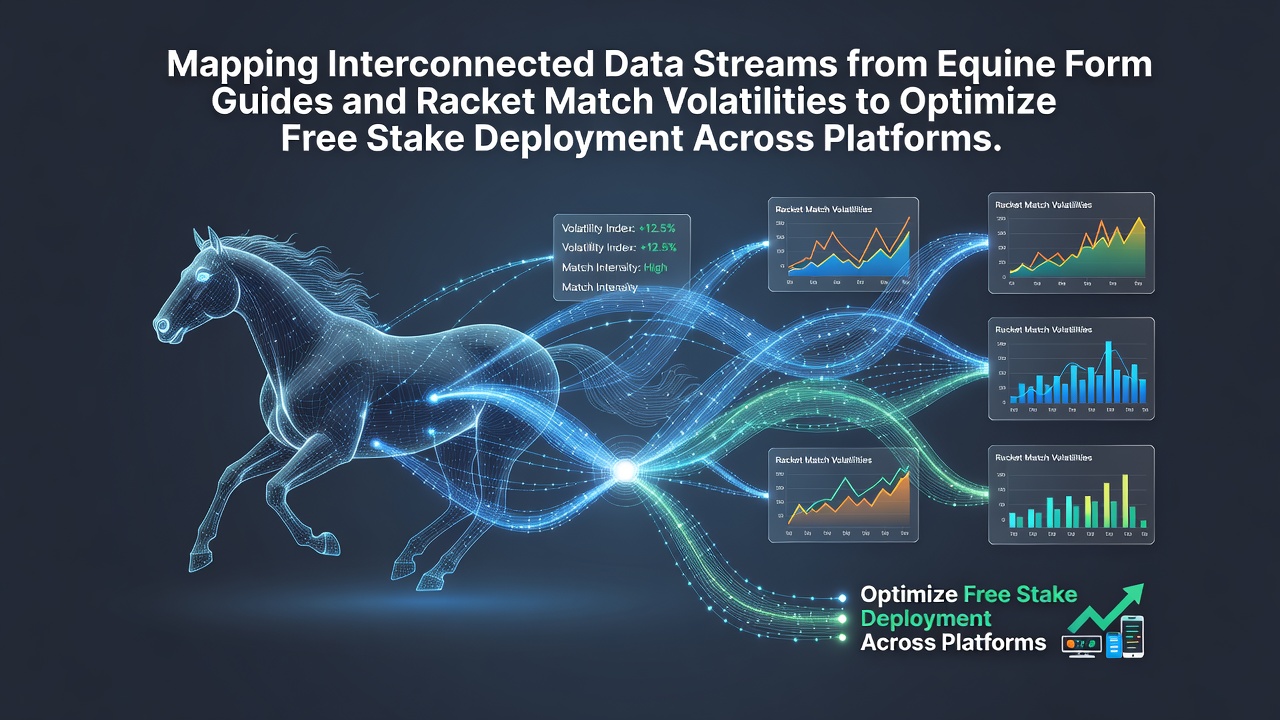
Integrating Equine Performance Records with Tennis Swing Data for Cross-Platform Stake Allocation
Equine form guides compile historical race data including finishing positions, track surfaces, jockey statistics, and pace ratings while racket match records capture point-by-point volatility, serve efficiency shifts, and live odds movements during tennis events. Platforms that merge these datasets create unified dashboards allowing operators to route promotional stakes toward events where volatility patterns align with available free credit balances.
Core Components of Equine Data Streams
Horse racing databases store variables such as sectional times, going descriptions, and trainer form cycles that update daily across multiple jurisdictions. Analysts map these elements onto probability models that adjust stake sizes when free bets become available on specific meetings. July 2026 fixtures at Ascot and Flemington provided fresh datasets showing how surface changes altered expected margins by up to 4.2 percent according to aggregated industry feeds.
Tennis Volatility Metrics and Live Inputs
Tennis data streams incorporate real-time metrics like first-serve win percentages, break-point conversion rates, and momentum indicators derived from score sequences. These inputs fluctuate rapidly during matches, creating windows where free stake deployment can target higher implied edges. Operators track these shifts through application programming interfaces that refresh every 30 seconds during grand slam sessions.
Integration occurs when equine and tennis feeds converge inside centralized risk engines. A single algorithmic layer compares variance levels across both sports, then ranks deployment opportunities by expected return on promotional capital. Systems flag instances where a horse race overlay coincides with a tennis set swing, directing the stake to the platform offering the most favorable conversion ratio at that moment.
Cross-Platform Deployment Logic
Stake allocation engines evaluate remaining bonus balances, wagering requirements, and expiry windows before executing transfers. When equine form indicates a strong favorite at short odds while tennis volatility spikes around an underdog, the system may split a free stake across two accounts to satisfy separate rollover conditions simultaneously. Data from the Canadian Centre on Substance Use and Addiction highlights how such synchronized approaches appear in operator logs during major tournament overlaps.
Technical Mapping Techniques
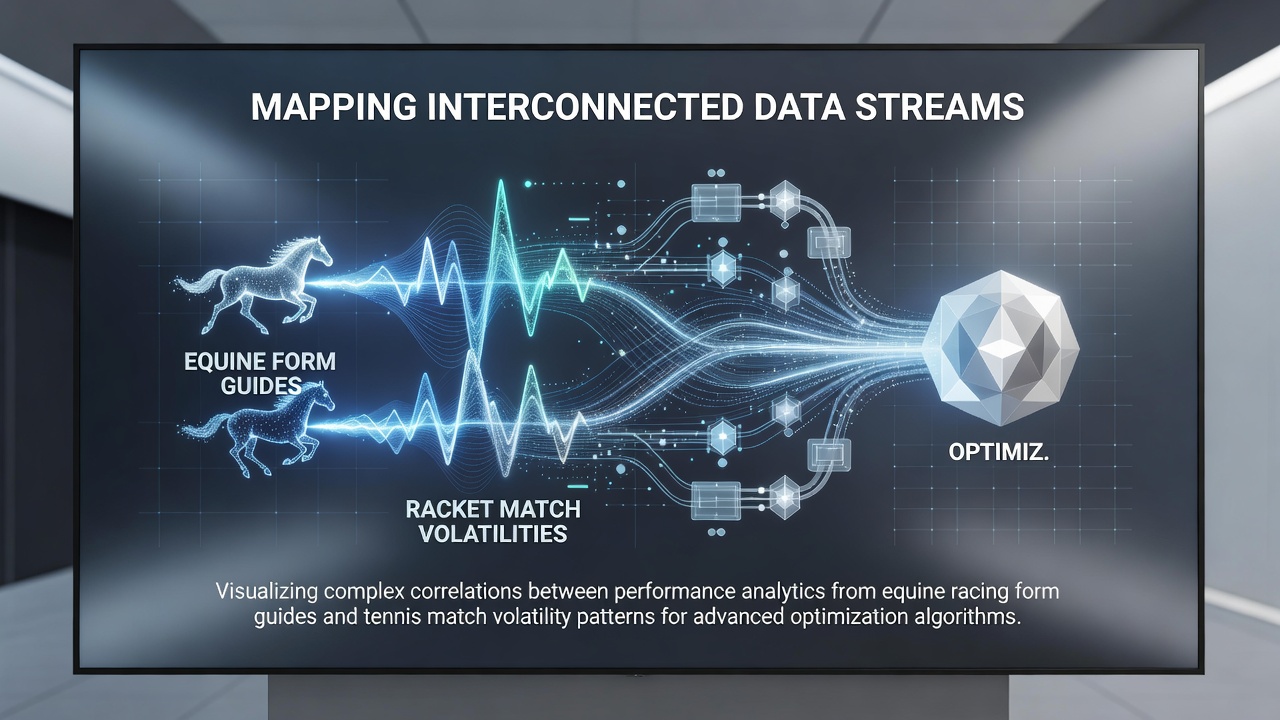
Developers normalize disparate data formats by assigning common timestamps and volatility scores to each event type. Horse races receive surface-adjusted pace ratings while tennis points convert into momentum vectors. Once standardized, correlation matrices identify when a change in one sport's data stream predicts movement in the other, enabling preemptive stake routing before odds adjust across sites.
Research published through the Australian Gambling Research Centre demonstrates that platforms applying these normalized matrices recorded measurable differences in promotional capital efficiency during overlapping racing and tennis calendars. The study tracked deployment sequences rather than outcomes, noting consistent patterns in how operators sequenced free stakes across equine and racket events.
Regulatory Context and Data Standards
Jurisdictions outside the United Kingdom maintain separate reporting frameworks that influence how these data streams may be used. The Victorian Commission for Gambling and Liquor Regulation requires operators to log promotional stake movements separately from customer funds, creating audit trails that align with the mapping processes described above. Similar requirements appear in guidelines issued by the Malta Gaming Authority for multi-jurisdiction operators.
Implementation Examples in Mid-2026
During the first week of July 2026 several operators activated unified dashboards ahead of simultaneous Wimbledon and Royal Ascot coverage. The systems automatically adjusted stake routing when tennis match volatility exceeded thresholds derived from prior equine data sets. Observers noted that deployment sequences often alternated between platforms within minutes to maximize qualifying turnover before bonus periods ended.
Conclusion
Mapping equine form guides alongside tennis volatility data produces structured inputs for stake deployment engines that operate across multiple platforms. The process relies on normalized scoring, real-time correlation tracking, and regulatory-compliant logging rather than discretionary decisions. Continued refinement of these interconnected streams supports consistent allocation logic whenever free stakes become available during overlapping sporting calendars.