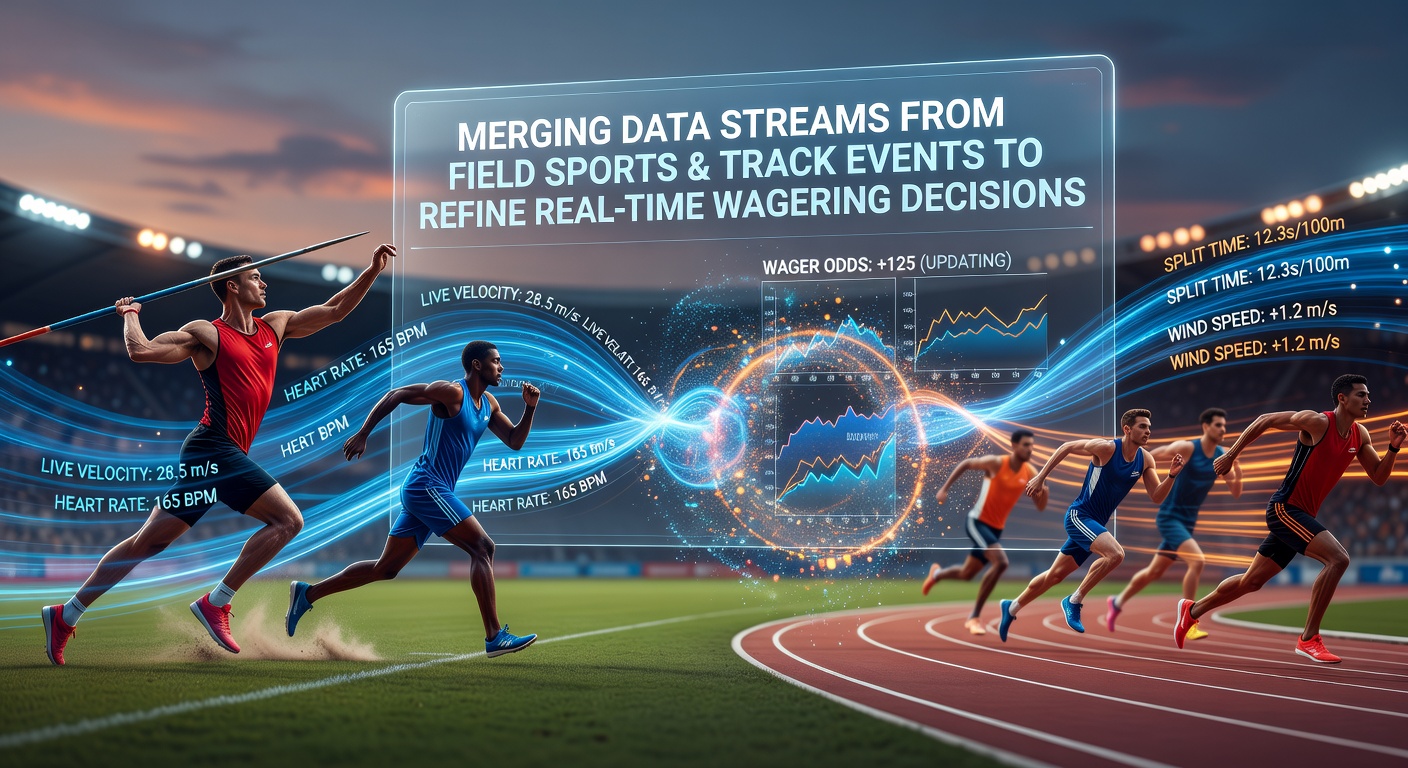
Integrating Live Data Feeds from Team Fields and Racing Tracks to Sharpen In-Play Betting Choices
Real-time data integration now connects player movements on team pitches with performance metrics from oval tracks and straight courses, allowing operators to adjust odds dynamically during events. Systems pull positional data from wearable sensors in soccer and rugby alongside GPS readings from equine athletes, creating unified streams that feed into wagering platforms. Observers note this convergence helps bookmakers respond faster to unfolding scenarios across multiple disciplines.
Data Sources in Field Sports and Track Disciplines
Field sports generate continuous inputs through ball-tracking cameras and athlete biometrics, while track events contribute speed profiles, stride analysis, and environmental factors such as surface conditions. When these feeds combine, algorithms identify correlations that single-sport monitoring often misses. For instance, fatigue patterns observed in midfielders during the second half of matches sometimes align with late-race deceleration data from thoroughbreds under similar humidity levels, enabling more precise live adjustments.
Research indicates that multi-source platforms process thousands of data points per minute, with fusion layers applying machine learning to filter noise and highlight actionable signals. Australian researchers at the Centre for Sports Analytics have documented how cross-referencing basketball court telemetry with harness racing lap splits improved prediction accuracy for in-play propositions by measurable margins in controlled tests. Those findings highlight the value of shared data architectures that treat disparate events as parts of one analytical ecosystem.
Technical Architecture Behind Stream Fusion
Modern setups rely on low-latency APIs that ingest data from league-approved tracking providers and racing authority sensors simultaneously. Cloud-based processors normalize formats so a soccer possession statistic registers alongside a jockey's sectional time without delay. Edge computing nodes located near venues reduce transmission lags, ensuring bettors and operators see synchronized updates within fractions of a second. Experts have observed that this infrastructure becomes particularly relevant ahead of regulatory and technological milestones scheduled for May 2026, when several jurisdictions plan to mandate enhanced real-time reporting standards for licensed operators.
Security protocols encrypt streams end-to-end while maintaining audit trails required by oversight bodies. Integration teams test failover mechanisms that switch between primary and backup feeds without interrupting live markets. Such resilience matters during high-volume periods when both field sports and track meetings run concurrently across time zones.
Practical Applications for Live Wagering
Bookmakers deploy these merged streams to refine cash-out values and micro-market odds mid-event. A sudden drop in a soccer team's pressing intensity, detected through spatial data, might coincide with an uptick in a horse's stride frequency during a parallel race meeting, prompting simultaneous recalibrations. Bettors accessing enhanced interfaces receive contextual prompts that reflect these combined insights rather than isolated statistics.
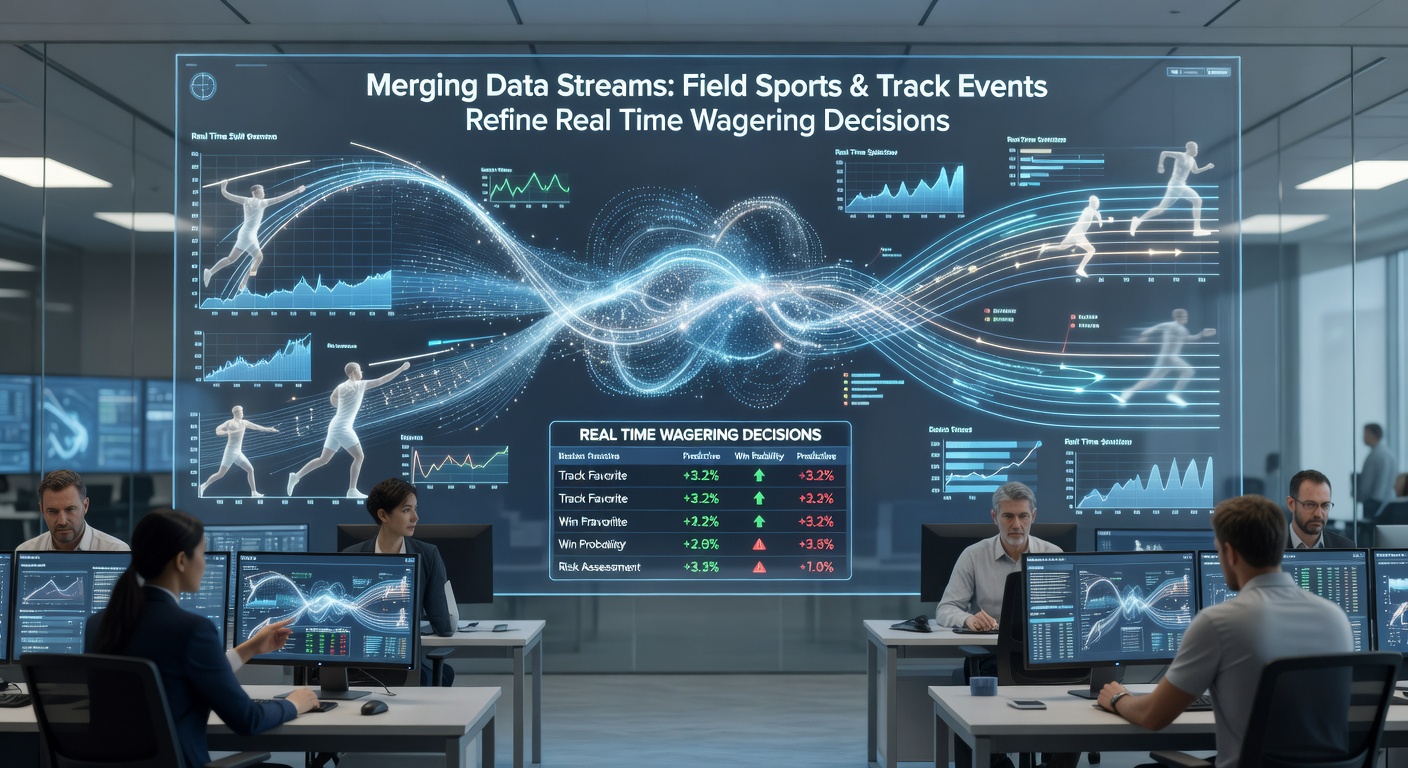
Case examples from European operators show that platforms incorporating track and field fusion reported faster settlement times for accumulator bets spanning both categories. One documented instance involved a weekend schedule where live tennis rallies and greyhound sprint data fed into a single risk model, allowing dynamic stake recommendations based on emerging patterns across the slate. Industry reports from the North American Gaming Regulators Association note similar pilots underway in several states, focusing on compliance with emerging transparency rules.
Challenges and Mitigation Strategies
Latency mismatches between high-frequency camera systems in stadiums and intermittent trackside signals create occasional synchronization gaps. Engineers address these through predictive buffering techniques that estimate missing values based on historical correlations. Data quality varies by venue, prompting standardization efforts led by international sports federations and racing bodies. Observers note that venues investing in uniform sensor calibration achieve more reliable merged outputs.
Privacy considerations arise when athlete and animal biometric information enters commercial streams. Regulatory frameworks in Canada and parts of Asia require explicit consent protocols and anonymization layers before data reaches betting engines. Compliance teams conduct regular audits to verify adherence, particularly as cross-border data flows increase with global event calendars.
Future Developments and Industry Outlook
Advancements in sensor miniaturization and 5G rollout promise denser data grids by late 2026. Pilot programs already explore incorporating weather micro-models from field sports venues with track moisture sensors to refine surface-related probabilities in real time. Trade associations such as the World Lottery Association have published preliminary guidelines encouraging members to adopt interoperable data standards that facilitate such expansions.
Training programs for analysts now emphasize multi-domain literacy, teaching professionals to interpret fused dashboards rather than single-sport interfaces. This shift supports more nuanced live decision frameworks that account for simultaneous developments across pitches and circuits. Evidence from operational reviews suggests that organizations embracing these integrated approaches maintain competitive positioning as markets evolve.
Conclusion
Merging data streams from field sports and track events delivers measurable improvements in the precision of real-time wagering adjustments. Technical architectures continue to mature, supported by regulatory timelines and industry collaboration. Operators and analysts who master these combined feeds position themselves to navigate increasingly complex live betting environments with greater consistency.