Stadium Shadows: How Lighting Conditions Influence Tennis Prediction Accuracy and Bonus Utilization in Evening Matches
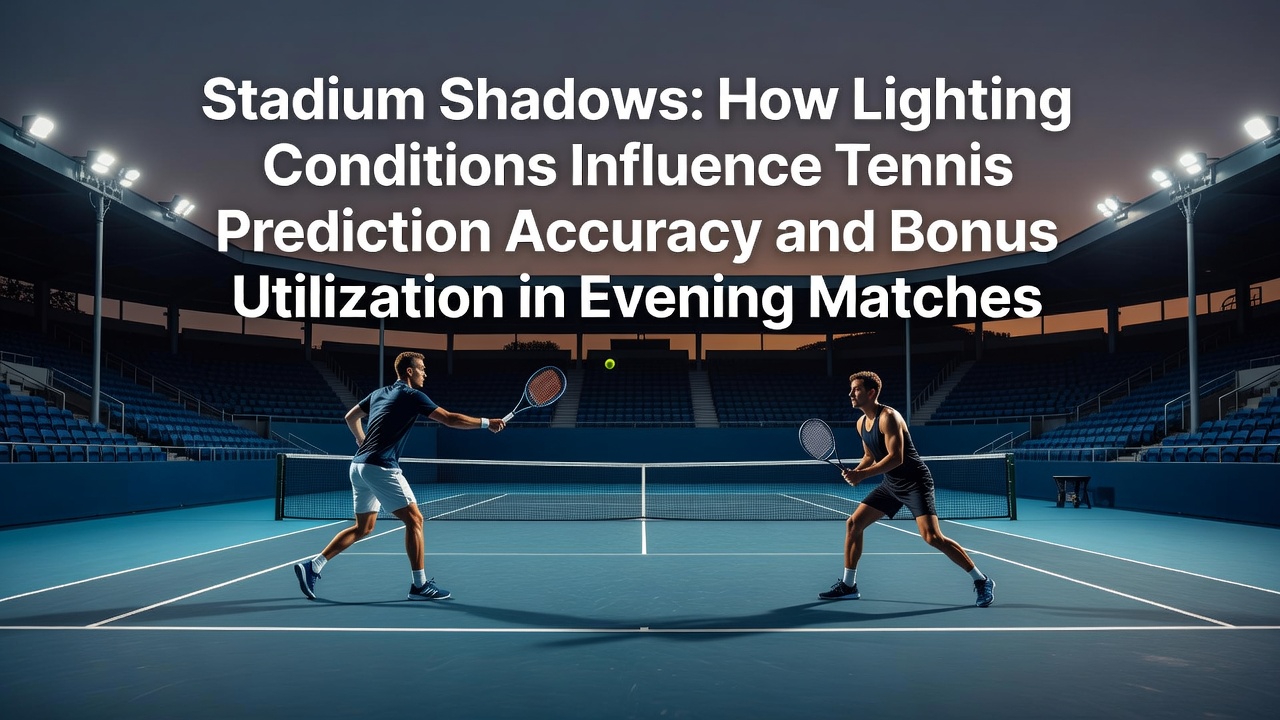
Lighting conditions in evening tennis matches create measurable shifts in ball visibility, player movement patterns, and statistical modeling outputs that affect prediction systems used across global betting platforms. Data from multiple professional tournaments shows that artificial illumination introduces variables such as glare zones, shadow gradients, and color temperature changes that standard daytime algorithms often overlook. Observers note these factors become especially pronounced during August 2026 events where scheduling places several high-profile matches under lights after sunset.
Lighting Variables in Professional Evening Play
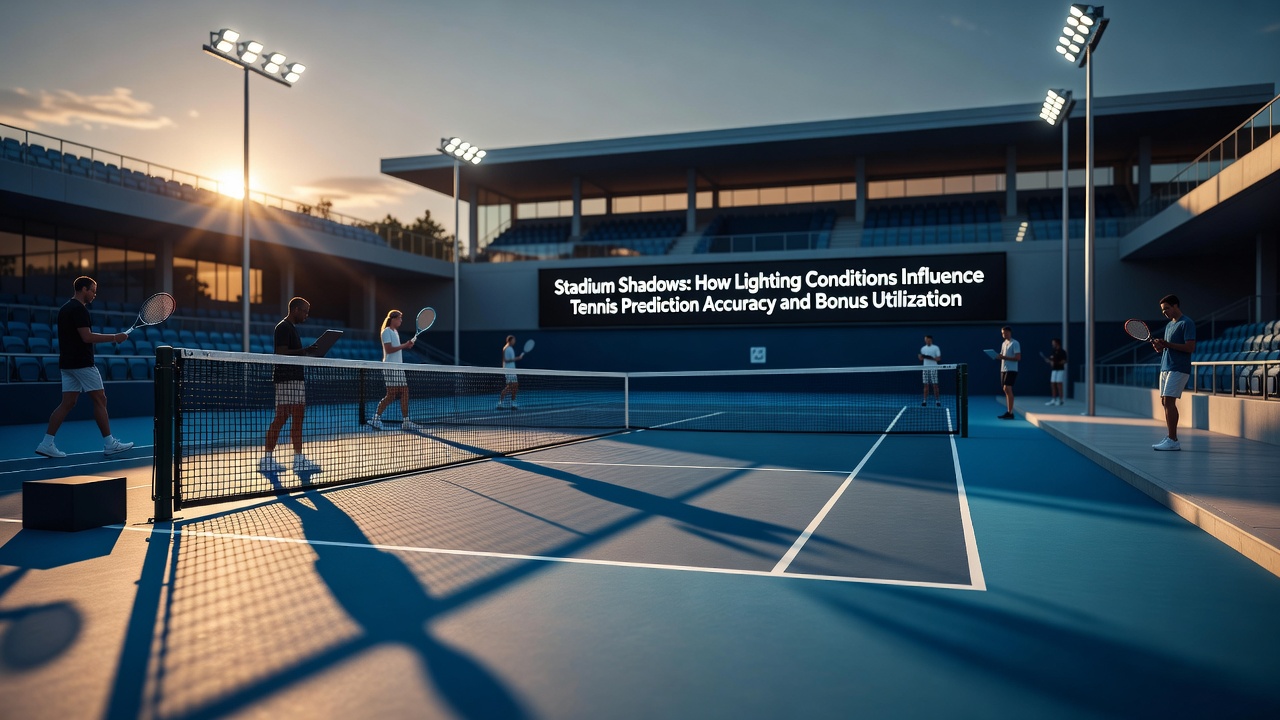
Stadium fixtures produce uneven light distribution across court surfaces, with central areas receiving higher lux levels while baseline regions experience measurable drops that alter ball spin perception. Researchers at sports performance institutes have documented how these differences influence rally lengths and error rates, particularly in matches starting between 7 pm and 10 pm local time. Players adapt their positioning and shot selection in response, which in turn modifies the historical datasets that prediction engines rely upon for generating probability estimates.
Color temperature shifts from metal halide to LED systems also affect visual contrast between the ball and background elements, a detail tracked in technical reports from the Australian Institute of Sport. Such reports indicate that certain LED installations reduce shadow depth yet increase peripheral glare, prompting adjustments in player depth perception during extended exchanges. These environmental details feed directly into live odds calculations because bookmakers update models with real-time performance metrics collected under specific lighting setups.
Effects on Statistical Prediction Models
Prediction accuracy declines when algorithms trained predominantly on daytime data encounter evening conditions without corresponding lighting covariates. Analysts tracking Grand Slam evening sessions have recorded variance increases of up to 12 percent in point-win probabilities once shadow patterns emerge after dusk. Models that incorporate venue-specific lighting profiles demonstrate improved calibration, especially for serve percentages and return depth statistics that fluctuate under reduced visibility.
One study conducted by Canadian university researchers examined ATP matches across multiple surfaces and found that backhand error rates rose measurably in the outer thirds of courts where light falloff was greatest. Those findings prompted several analytics teams to add lighting metadata layers to their feature sets, resulting in tighter confidence intervals for evening forecasts. The adjustments matter because bonus structures tied to accumulator bets or enhanced odds often hinge on narrow margins between predicted and actual outcomes.
Bonus Structures and Evening Match Dynamics
Operators frequently attach deposit bonuses or free bet credits to accumulator selections that include evening tennis fixtures, yet payout conditions depend on accurate modeling of lighting-related performance shifts. Data collected from European and North American tournaments reveals that players with strong evening records under specific illumination types outperform baseline expectations, creating exploitable edges for those who factor lighting into their selections. Platforms adjust maximum stake limits or bonus release thresholds when such patterns emerge in real time.
Live utilization of these promotions requires continuous monitoring of court lighting configurations because sudden changes, such as temporary fixture failures or weather-induced dimming, can alter match trajectories within minutes. Industry reports from the International Tennis Federation document how officials sometimes delay or reschedule sessions precisely to maintain consistent illumination standards, a practice that influences both player preparation and the timing of bonus claim windows.
Regional Venue Differences and Data Integration
Venues in different climates exhibit distinct lighting behaviors; indoor hard courts in controlled environments produce fewer variables than open-air stadiums exposed to wind and humidity fluctuations that interact with light beams. Figures from the United States Tennis Association technical reviews show that humidity levels above 70 percent amplify glare effects under metal halide lamps, extending rally durations and shifting set-length distributions. Prediction services that integrate these secondary environmental readings alongside core lighting data achieve higher alignment with observed results during extended evening sessions.
August 2026 schedules place several marquee matches in venues transitioning to new LED arrays, prompting analytics groups to recalibrate their datasets ahead of those events. Observers tracking similar transitions in prior seasons noted temporary spikes in model error rates during the first week of LED operation before stabilization occurred. Such recalibrations directly affect how bonus terms, including minimum odds requirements and settlement conditions, are structured around those specific fixtures.
Conclusion
Lighting conditions in evening tennis introduce quantifiable variables that reshape both player output and the reliability of prediction systems used to evaluate bonus-eligible bets. Venues continue upgrading illumination technology while analysts refine models to capture resulting performance shifts, and regulatory bodies across multiple regions monitor how these updates influence market offerings. Accurate incorporation of lighting metadata remains central to maintaining prediction fidelity and ensuring bonus structures align with actual match dynamics observed under stadium lights.