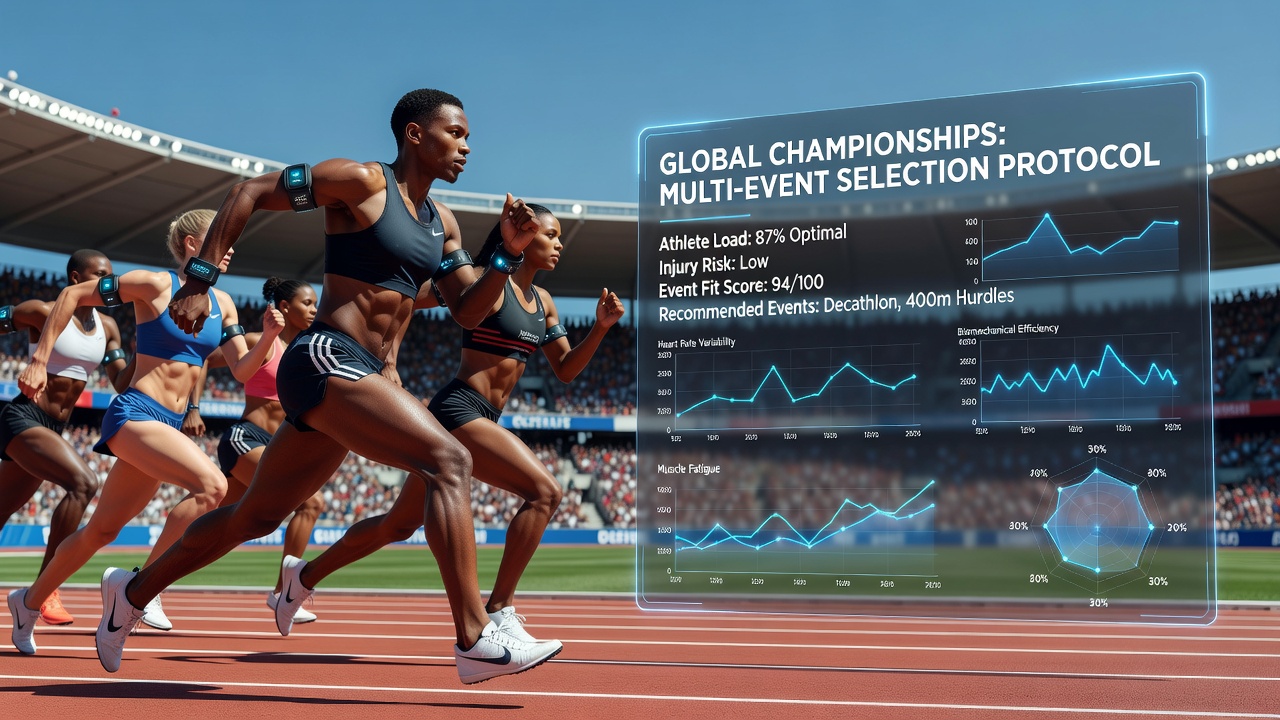
Wearable Sensor Metrics Guiding Precision Multi-Event Selections Across Global Championships
Coaches and selectors now rely on streams of data from devices that track heart rate variability, acceleration patterns, and muscle oxygen levels to decide which athletes compete in several events at major tournaments, and these readings help determine readiness across disciplines like track, field, and combined competitions. Data from training camps shows that athletes who maintain consistent power output thresholds over repeated sessions receive priority when teams finalize multi-event lineups for events such as the World Athletics Championships and regional games scheduled through 2026.
Researchers at institutions across different continents collect metrics from GPS units, inertial measurement units, and electrocardiogram patches worn during practice, then cross-reference those figures with competition outcomes to refine selection criteria. Studies from the Australian Institute of Sport and Canadian Sport Institutes have documented how recovery intervals measured by wearables predict an athlete's ability to handle back-to-back events without performance drops.
Core Metrics That Shape Selection Decisions
Heart rate variability stands out as one key indicator because lower day-to-day fluctuations often signal accumulated fatigue that could limit an athlete in events spaced across several days, while higher baseline readings correlate with sustained output in sprints and throws. Acceleration data gathered during plyometric drills reveals asymmetries in force production that selectors use to match athletes to specific multi-event combinations where balanced loading reduces injury risk.
Muscle oxygen saturation levels tracked via near-infrared sensors provide additional layers of insight, and teams integrate these readings with sleep duration logs to build profiles that forecast how individuals will perform when events cluster tightly in championship schedules. Observers note that athletes whose metrics show rapid reoxygenation after high-intensity intervals tend to secure spots in both individual and relay components.
Application in Championship Cycles Leading to 2026
Preparations for competitions in August 2026 have already incorporated wearable datasets to narrow candidate pools for decathlon and heptathlon squads, and federations report that early identification of athletes with stable lactate thresholds has improved retention rates in national programs. National Olympic committees in Europe and North America share anonymized aggregate data through collaborative platforms, allowing selectors to compare performance curves across continents without relying solely on meet results.
One program in New Zealand uses combined sensor outputs to simulate event sequencing, and those simulations have guided adjustments in training volume for athletes targeting multiple disciplines at upcoming continental meets. Figures from these initiatives indicate measurable gains in event completion rates when selections draw directly from longitudinal wearable trends rather than single-test performances.
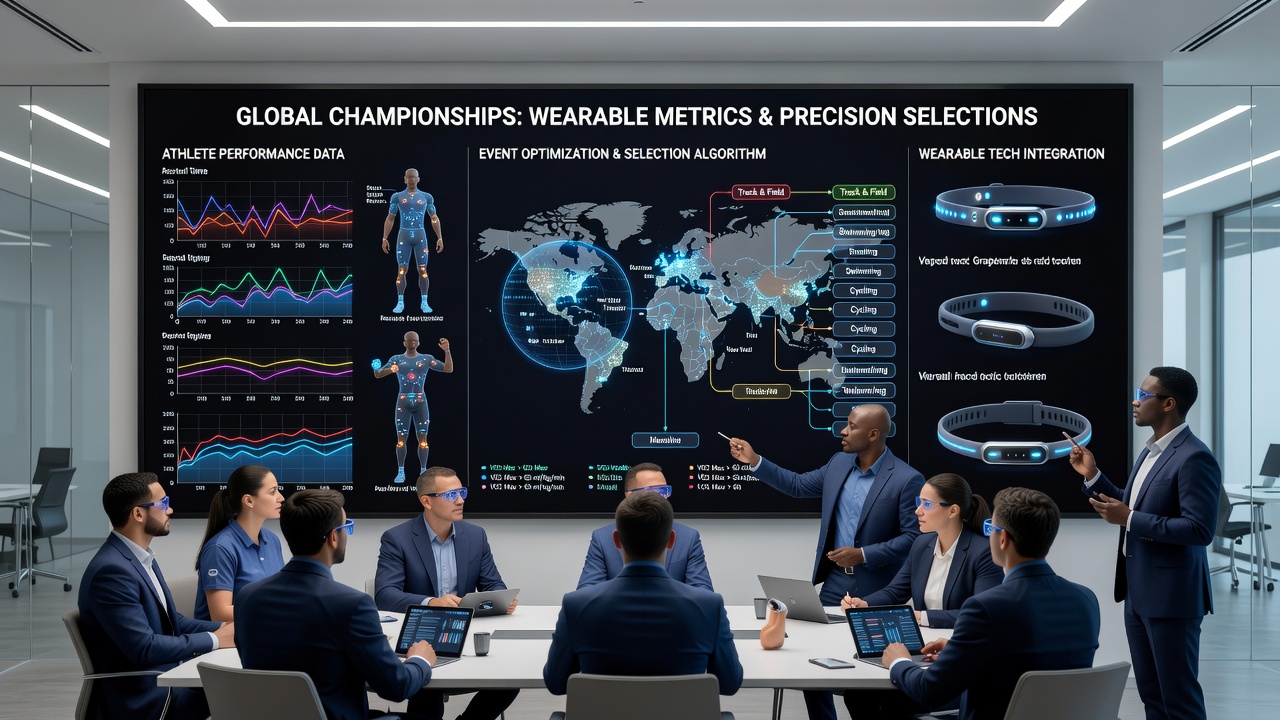
Integration With Traditional Evaluation Methods
Selectors combine sensor outputs with video analysis and strength testing to create layered assessments, and this approach has become standard among federations preparing squads for multi-sport gatherings. Biomechanics labs at universities in the United States and Japan have published protocols that standardize how acceleration peaks and ground contact times feed into ranking algorithms used by selection panels.
Teams adjust training prescriptions in real time when wearable alerts flag deviations from established baselines, and these interventions often determine which athletes advance to final roster decisions for global events. Evidence from longitudinal tracking programs shows that athletes who follow metric-guided load management plans maintain higher consistency across event clusters.
Challenges in Data Standardization Across Regions
Differences in device calibration and data export formats still create hurdles for international comparisons, yet governing bodies continue to develop shared frameworks that allow metrics from various manufacturers to align. Organizations such as the International Paralympic Committee have piloted unified reporting templates that incorporate sensor data alongside traditional scouting reports.
Privacy regulations in multiple jurisdictions require careful handling of individual physiological records, and federations address these constraints through aggregated trend analysis that informs selections without exposing personal details. Research partnerships between academic centers in Brazil and South Africa explore how environmental factors like altitude interact with wearable readings to influence multi-event suitability.
Conclusion
Wearable sensor metrics now form an established component of selection processes for athletes targeting several events at global championships, and ongoing refinements in data collection continue to support more targeted roster decisions. As competitions approach in 2026, federations maintain these systems to match physical profiles with demanding schedules while drawing on findings from diverse research networks worldwide.