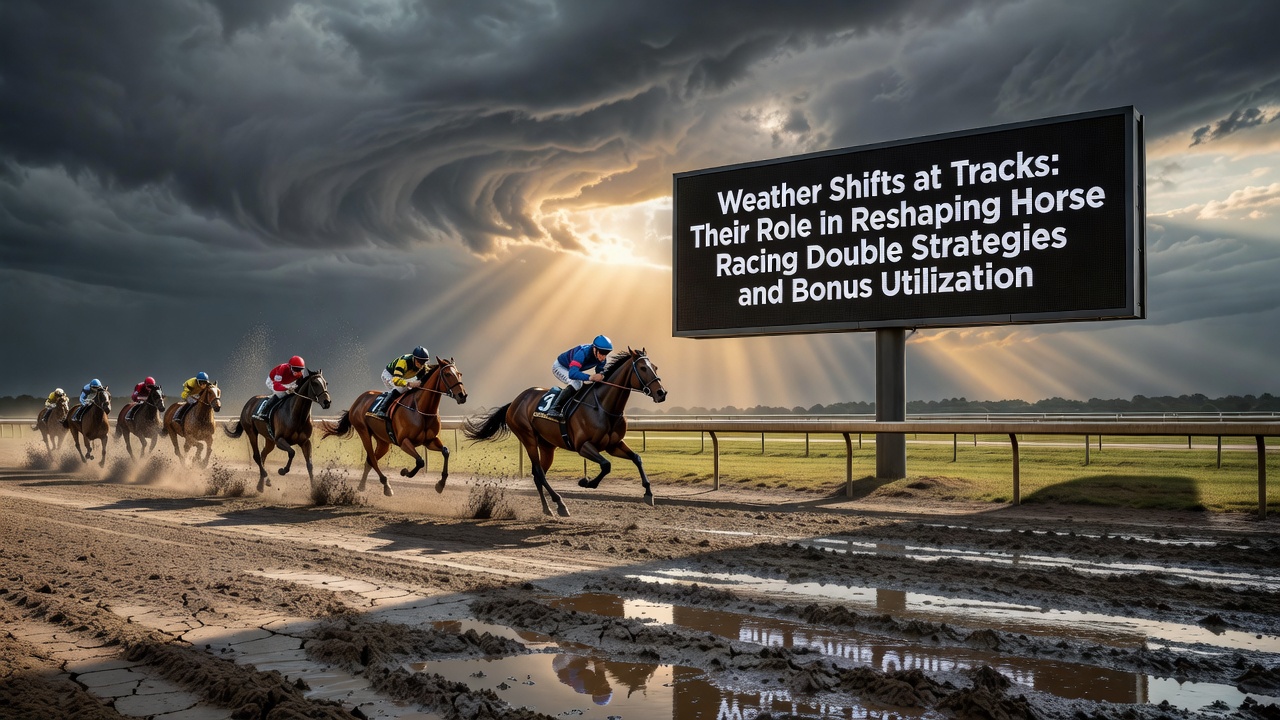
Weather Shifts at Tracks: Their Role in Reshaping Horse Racing Double Strategies and Bonus Utilization
Weather shifts at horse racing tracks have long influenced race outcomes, yet recent patterns show these changes now drive more targeted adjustments in double betting approaches and bonus structures offered by operators. Data from multiple racing jurisdictions indicate that sudden rainfall or temperature swings alter track surfaces in ways that directly affect horse performance, prompting bettors to recalibrate exacta and quinella selections while operators modify promotional terms to reflect updated risk profiles.
Track Surface Dynamics Under Variable Conditions
Rainfall converts firm ground into good or yielding states within hours, and researchers at the University of Melbourne documented how moisture content influences stride length and energy expenditure in thoroughbreds. Those studies found horses with proven records on softer surfaces post higher success rates once precipitation begins, whereas speed-oriented runners lose ground when footing changes mid-meeting. Observers note that July 2026 meets in both hemispheres recorded multiple instances where afternoon showers transformed previously fast tracks, producing results that diverged sharply from morning line expectations.
Wind and temperature fluctuations add further layers. Strong gusts can tire front-runners on exposed straightaways, while cooler air sometimes preserves stamina in distance events. Racing authorities in Australia and the United States track these variables through standardized going reports, and figures released by the International Federation of Horseracing Authorities reveal that surface condition updates now occur at shorter intervals during unsettled weather periods.
Adjustments to Double Betting Approaches
Double wagers combine selections from two races, so any shift in track conditions between those contests amplifies outcome variance. Bettors who monitor real-time weather data and updated going reports often pivot from speed-based combinations toward stamina profiles once rain arrives. One analysis of 2025-2026 results showed that quinella payouts on rain-affected cards increased when participants selected pairings that included proven soft-ground performers in the later leg.
Operators respond by publishing condition-specific form guides and live updates that highlight surface preferences. This information flow allows strategic repositioning of double stakes before each race, while live odds adjust to reflect the new probabilities. Those who follow such updates report more consistent alignment between selections and actual track states compared with static pre-meet planning.
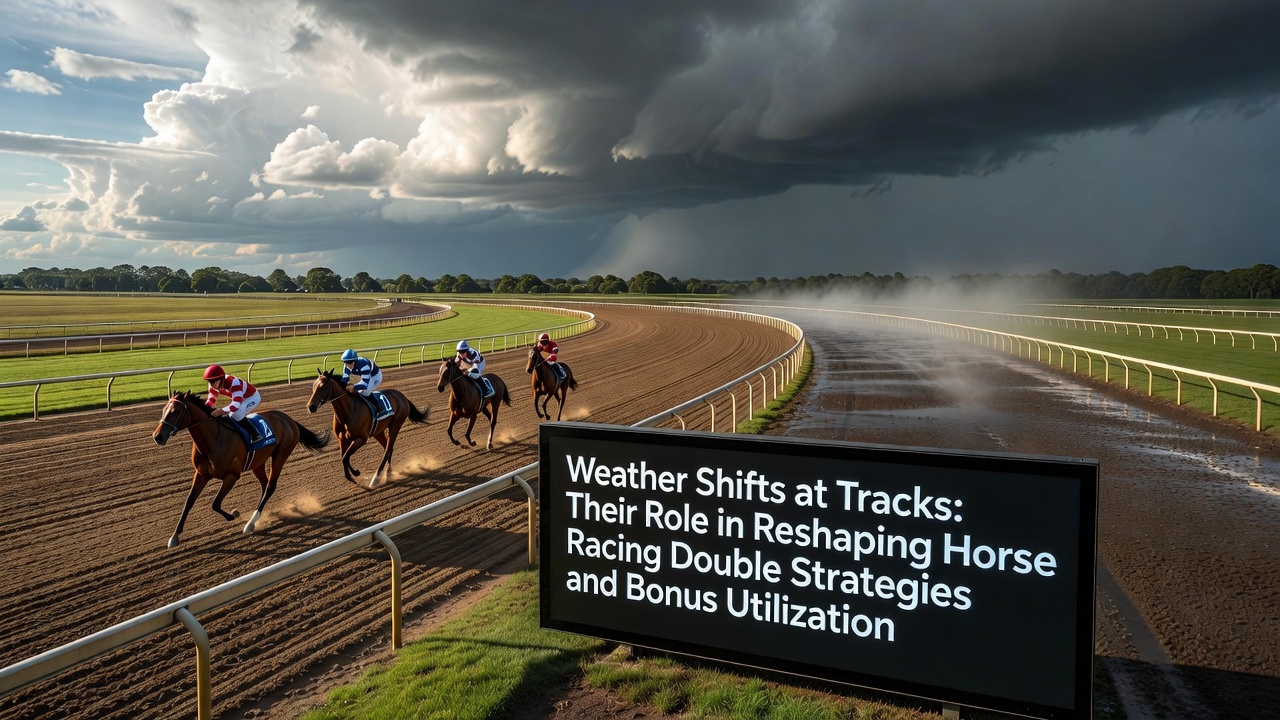
Bonus Structures and Weather-Driven Risk
Promotional bonuses tied to horse racing often include terms that account for variable track conditions. Deposit-match offers and free bet credits frequently carry wagering requirements that remain constant regardless of weather, yet operators have adjusted maximum payout caps on accumulator bonuses when forecasts predict unsettled meetings. Industry reports from the Australian Horse Racing Board note that such adjustments help balance liability during periods when surface changes increase the likelihood of long-priced winners.
July 2026 data showed several operators extending bonus validity windows on double markets when rain delayed race starts, allowing participants additional time to reassess pairings. These extensions coincided with revised odds that incorporated updated going reports, creating opportunities for bonus utilization on selections better suited to altered conditions. Regulatory filings from Canadian provincial gaming commissions similarly document increased scrutiny of weather-contingent promotions to ensure transparent communication of altered terms.
Integration of Real-Time Data Sources
Modern platforms integrate meteorological feeds with form databases, enabling rapid recalculation of double probabilities as conditions evolve. Trainers and jockeys supply post-work comments on track feel, and these insights feed into public information streams that bettors consult before finalizing selections. Research published through the Equine Science Journal confirms that access to such layered data correlates with shifts in betting patterns on weather-sensitive cards.
Systems that flag surface changes in advance allow operators to recalibrate bonus eligibility criteria without suspending promotions entirely. This continuity supports sustained engagement while reflecting the statistical impact of weather on race results. Meetings held under stable conditions, by contrast, retain standard bonus structures that emphasize volume-based rewards rather than condition-specific adjustments.
Conclusion
Weather shifts continue to reshape how double strategies and bonus programs interact within horse racing markets. Surface condition updates, combined with improved data dissemination, drive more responsive selection processes and promotional frameworks that accommodate fluctuating risk levels. Racing authorities and operators across multiple regions maintain ongoing monitoring of these dynamics, producing measurable adjustments in both betting behavior and offer structures during periods of meteorological instability.