
Winter Weather Impacts on Curling Competitions Informing Strategic Combinations with Canine Sprint Outcomes for Optimized Promotional Reward Maximization
Winter weather patterns shape curling competitions through temperature fluctuations, humidity levels, and ice surface variations that alter stone speed, curl distance, and overall match dynamics, while canine sprint events such as greyhound races produce measurable outcome data that bettors combine into layered accumulator sequences designed to unlock promotional bonuses across multiple platforms.
Weather Variables and Their Direct Influence on Curling Results
Observers note that sub-zero temperatures tighten ice friction and reduce stone travel distance, whereas milder conditions above freezing introduce moisture that slows play and increases unpredictable breaks, according to meteorological records compiled by Environment and Climate Change Canada. Data from recent seasons shows teams adjust sweeping techniques and stone selection when overnight lows drop below minus ten degrees Celsius, producing higher scoring margins in early ends because guards and draws travel straighter on hardened surfaces. Humidity spikes during thaws add another variable, causing stones to pick up debris and deviate from expected paths, which researchers at the University of Calgary have quantified through controlled rink experiments linking dew point readings to shot success rates.
These environmental factors create measurable edges when bettors track venue-specific forecasts days ahead of major bonspiels, allowing them to anticipate underdog performances in outdoor or semi-enclosed facilities where wind exposure compounds the effects of temperature swings.
Canine Sprint Data as a Complementary Performance Indicator
Canine sprint competitions, particularly greyhound meetings on straight and oval tracks, generate consistent statistical outputs including trap speed, sectional times, and finishing margins that parallel the precision timing found in curling ends. Analysts cross-reference these figures with curling weather models because both sports reward athletes that maintain form under variable surface conditions, whether that surface is packed sand or scored ice. Studies published in the Journal of Veterinary Animal Science indicate that greyhounds racing in cooler evening slots exhibit tighter bend navigation and lower injury incidence, patterns that mirror how curling squads perform better on consistent ice maintained through controlled arena climates.
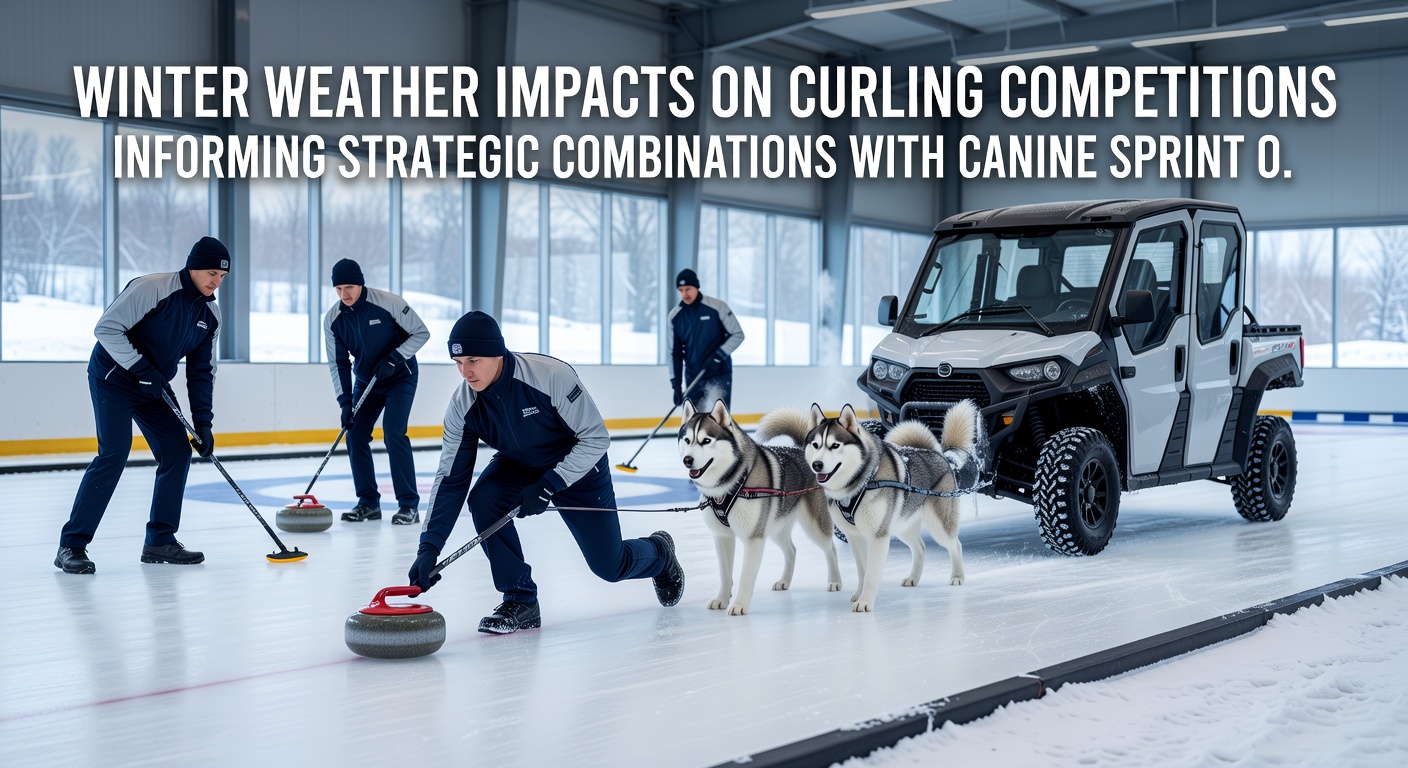
Operators in Canada and Australia publish detailed form guides that include track variant adjustments for temperature and precipitation, giving bettors raw numbers they merge with curling forecasts to construct multi-leg bets. One documented approach pairs a curling favorite expected to benefit from cold, fast ice with a greyhound that posts strong sectional times on cooler nights, creating accumulator structures that qualify for enhanced odds or free bet credits when all legs clear.
Constructing Accumulators Around Seasonal and Environmental Data
Promotional reward systems at major operators frequently tie bonus releases to accumulator success rates, so bettors incorporate winter weather bulletins and sprint performance metrics to identify combinations that satisfy minimum leg requirements while maximizing payout multipliers. Data from the North American Association of Greyhound Tracks reveals that certain venues record improved times when ambient temperatures fall within a narrow five-degree window, information that aligns with curling events scheduled during similar cold snaps. Bettors therefore monitor Environment Canada alerts alongside track variant reports to time their stakes before lines adjust.
Regulatory developments scheduled for May 2026, including site rationalization measures announced by several operators, are expected to shift promotional structures toward digital channels where accumulator bonuses remain available through mobile apps, preserving access to reward sequences even as physical retail footprints contract. This transition encourages greater reliance on real-time data feeds that integrate curling ice reports with canine sprint results for in-play adjustments.
Case Examples of Combined Strategies
Take one bettor who tracked a February bonspiel in Alberta where overnight lows reached minus eighteen degrees Celsius, prompting early forecasts of reduced stone curl. That same weekend a greyhound card at a nearby track posted faster average times in the first three races due to cooler air, allowing a two-leg accumulator that cleared both selections and triggered a fifty-percent odds boost on the platform. Similar patterns appear in European greyhound circuits where winter scheduling overlaps with indoor curling tournaments, giving participants additional data points for constructing sequences that meet bonus thresholds.
Those who study historical datasets find that combining curling matches affected by documented weather shifts with canine sprints run under matching temperature bands produces repeat qualification for reload bonuses and cashback offers, particularly when operators extend promotions through the core winter months.
Conclusion
Winter weather impacts on curling competitions supply quantifiable variables that, when aligned with canine sprint outcome records, enable structured accumulator construction aimed at maximizing available promotional rewards. Observers continue to monitor regulatory timelines including the May 2026 adjustments, noting that digital platforms will likely expand access to the same data-driven sequences as operators refine their bonus frameworks.